Summary
Recognizing the signs a parent needs more care helps families make timely decisions that protect their loved one's health, safety, and quality of life. Early intervention can prevent small concerns from becoming serious crises.
- Changes in personal hygiene, grooming, or clothing habits often signal difficulty managing self-care due to mobility issues, memory changes, or safety concerns
- Inconsistent medication management—missed doses, confusion about prescriptions, or expired bottles—increases hospitalization risk and requires professional oversight
- Neglected household tasks like dishes, laundry, and mail indicate declining energy, mobility, or organizational ability rather than lack of motivation
- Weight loss, disinterest in meals, or difficulty with grocery shopping and meal preparation may reflect isolation, physical limitations, or loss of appetite when eating alone
- Increased falls, balance problems, mobility challenges, social withdrawal, or memory lapses are serious indicators that Independent Living with supportive services or specialized memory care may be appropriate
Watching a parent age brings up a lot of mixed emotions, especially once you start noticing changes in their day-to-day routines. Many families don't recognize when an aging parent needs help until a small issue becomes a bigger one. Catching these shifts early means your loved one gets the right level of support at the right time, protecting their safety, health, and overall quality of life.
The tricky part is telling the difference between normal aging and a genuine cause for concern. Someone can be perfectly capable one season and quietly struggling the next. If you've started to wonder whether it's time to look into assisted living or memory care, here are seven signs worth paying attention to.
1. Personal Hygiene and Grooming Have Slipped
One of the earliest signs a parent needs more care shows up in how they're managing basic self-care. Watch for:
- Wearing the same clothes repeatedly without washing them
- Skipping showers or looking disheveled during visits
- Neglecting dental care or general grooming
Occasional lapses happen to everyone. A consistent pattern is different. It often points to something specific, like arthritis making buttons difficult, a fear of falling in the shower, or memory changes affecting daily routines. This is one of the clearest assisted living readiness indicators families notice first.
2. Medication Management Has Gotten Inconsistent
Keeping track of prescriptions gets harder as they pile up. Signs your parent is struggling at home alone with medications include:
- Expired bottles accumulating in the cabinet
- Refills that come too early or too late
- Confusion about which pills to take and when
- Missed doses or incorrect amounts
At Ocean Grove, medication reminders are built into our Assisted Living services, so residents stay on schedule without the guesswork. That kind of consistency helps reduce hospitalization risk and supports better outcomes overall.
3. Household Tasks Are Being Neglected
Take a look around their living space the next time you visit. A parent who once took pride in a tidy home may now be dealing with:
- Piles of unwashed dishes
- Overflowing trash or clutter
- Unopened mail stacking up
- Laundry piling up or going unwashed
This is often one of the clearest signs a parent needs more care. It's rarely about laziness and almost always about mobility, energy, or organization becoming harder to manage alone. It's also part of why weekly housekeeping is simply built into daily life here, so residents can focus on people and hobbies instead of chores.
4. Weight Loss or Poor Nutrition
Unexplained weight loss deserves attention. Watch for:
- Clothes fitting more loosely
- An empty or expired-food-filled refrigerator
- Disinterest in meals or skipped eating
- Difficulty with grocery shopping or meal prep
Some older adults simply lose interest in eating alone, while others face physical hurdles with cooking. At Ocean Grove, our chef-prepared, restaurant-style dining takes that burden off the table entirely, and many residents rediscover their appetite once meals become a social occasion again.
5. Mobility Challenges Are Creating Safety Concerns
Balance and coordination changes are worth taking seriously. Look for:
- Falls or near-falls at home
- Using furniture to steady themselves while walking
- Avoiding stairs or certain rooms
- Trouble getting in or out of a chair, bed, or shower
Even a minor fall can lead to serious complications for older adults. Ocean Grove's apartment homes are made with resident safety in mind, and our team is available around the clock to help with transfers, walking, and everyday navigation. That kind of support is one more reason this ranks among the most common assisted living readiness indicators.
6. Social Withdrawal and Isolation
If your parent has stopped going out, skips calls, or seems flat during visits, it's worth noticing. Isolation can stem from depression, memory changes, or simply the physical effort required to stay social. All are common reasons cited when seniors need daily assistance.
Life here looks different. A full-time activities director keeps the calendar full with weekly mahjong, a men's social club, themed events, and outings to nearby spots like Asbury Park's boardwalk or the shops along Ocean Grove's own historic streets. For many families, watching a parent re-engage socially is one of the first signs the move was the right one.
7. Increased Confusion or Memory Lapses
Getting lost on familiar routes, repeating questions, or struggling to follow conversations can signal something beyond normal aging. These moments are often the hardest for families to recognize, and the hardest to talk about.
This is where our GLOW® Memory Care program comes in. Rather than a one-size-fits-all approach, GLOW® is built around each resident's individual life story, using that history to guide personalized engagement that supports cognitive reserve and everyday quality of life. It's an area our team focuses on deeply, because dementia care deserves more than routine supervision. It deserves a program built around the person.
Making the Transition With Compassion
Recognizing these signs is the hardest part. Many families wait longer than they should, often until a crisis forces the decision. Having an honest, caring conversation early gives everyone time to explore options together before things become urgent.
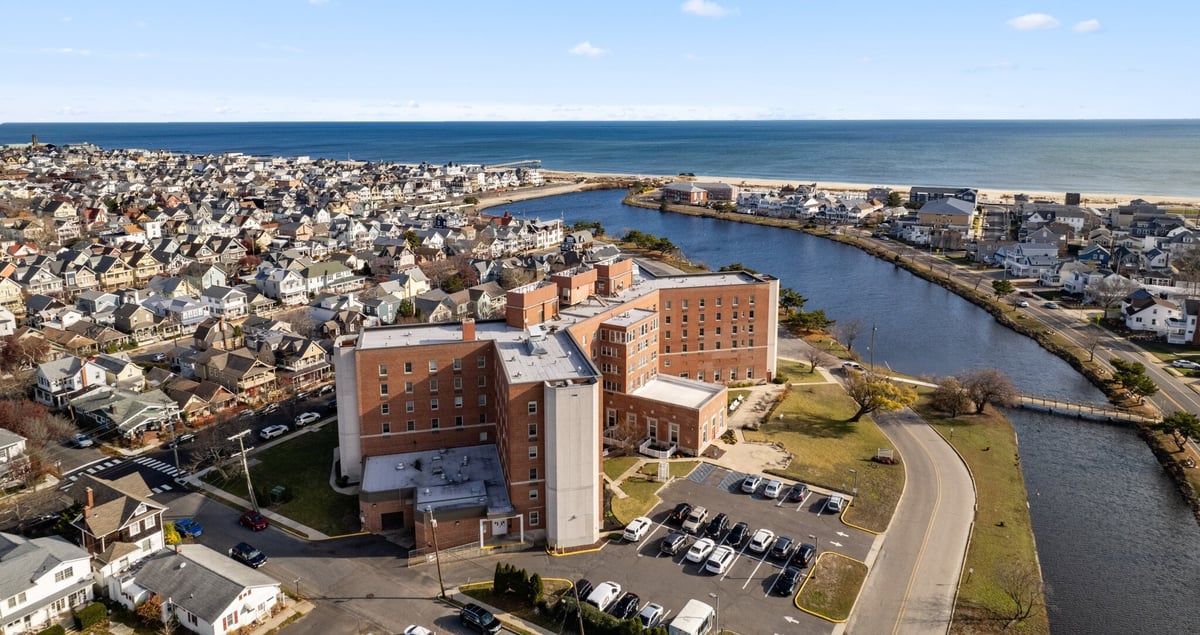
Families who've made this move often describe the same feeling: relief. Relief that their parent is safe, eating well, and surrounded by people who notice when something's off. That's the kind of peace of mind we aim for every day at Ocean Grove, just steps from Fletcher Lake and the beach, in the heart of Ocean Grove, NJ.
If you're noticing any of these signs in a parent living independently at home, transitioning from independent living to a supportive community doesn't have to be overwhelming. It can be the beginning of a much easier chapter for both of you. Schedule a tour today and see for yourself what daily life at Ocean Grove looks like.