Home should feel familiar, comfortable, and secure. But for many older adults, a house that once supported daily routines can gradually become harder to manage safely. Changes in balance, vision, strength, and memory can turn ordinary features into real home safety hazards for seniors. Recognizing those changes early can help families make informed, compassionate decisions before a fall or other emergency happens.
Many families are not sure when a parent’s home has crossed the line from familiar to risky. Learning how to spot senior fall risks at home and other signs of an unsafe environment can make those conversations easier. It can also help you decide whether the next step is a few modifications, more support at home, or a move to a setting better designed for safety and daily ease.
Understanding How Home Safety Risks Change Over Time
A home that worked well for decades may no longer fit a parent’s current needs. As mobility changes and reaction time slows, everyday features such as stairs, tubs, and crowded walkways can become harder to manage.
Common home safety hazards for seniors include:
- Throw rugs that slide or catch a toe
- Dim lighting in hallways, bedrooms, and bathrooms
- Loose carpet, clutter, or cords across walking paths
- Furniture arranged too tightly for easy movement
Poor lighting is one of the most overlooked senior fall risks at home. Aging eyes often need much more light to move safely from room to room, especially at night. If a loved one is hesitating in darker areas, turning on every light to move around, or avoiding parts of the home after sunset, that deserves attention.
Bathroom and Kitchen Safety Concerns
Bathrooms are one of the most common places for falls because they combine slippery surfaces, tight spaces, and frequent transfers in and out of showers or around the toilet.
Watch for these warning signs:
- Slippery floors without non-slip mats
- High tub walls that require stepping over
- No grab bars near the toilet or shower
- Trouble standing at the sink or getting in and out of the bath
When bathing starts to feel difficult or risky, families may notice subtle changes first. A parent may bathe less often, mention a close call, or begin relying on quick workarounds instead of a full routine. Those are often signs of unsafe living conditions for seniors, not just inconvenience.
Kitchens can also become harder to navigate safely. Reaching overhead, lifting cookware, or remembering to turn off the stove may become more difficult over time. You may also notice expired food, scorched pans, or a sudden shift away from meals that used to be easy to prepare. These details may seem small on their own, but together they can help you start recognizing unsafe home environments before a larger incident occurs.
Temperature, Air Quality, And Overlooked Home Hazards
Not every risk is obvious. Some of the most serious concerns involve the overall condition of the home itself. Older adults may have trouble noticing temperature extremes, keeping up with maintenance, or addressing moisture and ventilation problems.
A home may be becoming unsafe if you notice:
- Rooms that feel too hot in summer or too cold in winter
- Dust buildup that suggests cleaning has become difficult
- Musty odors, leaks, or signs of mold
- Strong chemical smells or poor ventilation
When home becomes dangerous for senior parents, it's often because several manageable problems have started stacking up. One dim hallway, one slippery floor, or one skipped repair may not seem urgent alone. Together, they can create a pattern that increases fall risk, affects respiratory health, and makes daily life more stressful.
Mobility Barriers Throughout the Home
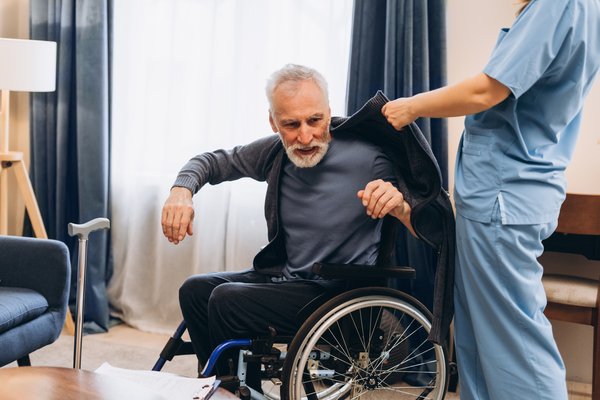
Stairs are one of the clearest examples of changing household risk, but they're far from the only ones. Doorways, flooring, and furniture placement can all affect whether someone can move safely and confidently from room to room.
Mobility barriers often include:
- Stairs that are difficult to manage safely
- Narrow doorways that do not work well with a walker
- Thick carpeting that catches feet or mobility devices
- Missing handrails or unstable furniture used for support
Pay attention to how your loved one actually moves through the home. Are they avoiding part of the house? Holding onto walls or counters? Limiting laundry, bathing, or sleep routines to avoid certain spaces? These are often the moments that reveal when home becomes dangerous for senior parents, even when they insist everything is fine.
When It Helps to Look Beyond the Home
A professional home safety checklist for seniors can be useful, especially when families want an objective opinion. An occupational therapist or aging-in-place specialist may spot issues that loved ones miss and recommend practical changes.
Still, there are times when home modifications only go so far. If a parent needs regular help, struggles with judgment, or is no longer safe alone for long periods, it may be time to explore environments built with older adults in mind.
Many Discovery communities featured on Senior Living Near Me highlight programs that support daily ease, connection, and routine, including chef-prepared dining through Sensations, social opportunities through Celebrations, wellness-focused programming through Dimensions, concierge-style help through Expressions, housekeeping through Impressions, and transportation through Connections.
For families navigating memory-related changes, some Discovery communities also offer SHINE® Memory Care, a nationally recognized program for personalized support.
Taking the Next Step With Confidence
Recognizing unsafe living conditions for seniors doesn't always mean a move has to happen immediately. It does mean it's time for an honest conversation. Start by noting the specific concerns you have observed, from tripping hazards and poor lighting to skipped meals, trouble bathing, or reduced use of parts of the home.
The goal isn't to take control away from your loved one; It's to help create a safer, more supportive environment where daily life feels manageable again. Whether that means changes at home or a move to senior living, acting early can help protect health, dignity, and peace of mind for everyone involved.